
Sustainable Elegance, Richly Textured
Step inside a world where indulgence meets integrity as we explore Eco-Chic Materials and Finishes for Luxury Interiors. From reclaimed oak floors refined with plant-based oils to mineral-rich limewash that breathes, we combine couture detailing with low-impact choices. Expect practical comparisons, artisan insights, and polished case examples you can specify today, plus guidance on wellness, certification, and care so spaces feel effortlessly refined, healthier in quiet ways, and unmistakably contemporary without sacrificing longevity, provenance, tactility, or sensory delight.
Beyond Buzzwords: A Working Definition
Eco-chic luxury is the art of marrying sumptuous tactility with verifiable responsibility. It means choosing materials for their low-tox profiles, transparent origins, and long service life, while ensuring the final space still dazzles. This approach prioritizes performance, repairability, and emotional resonance. Instead of disposable trends, it favors enduring character, layered texture, and quiet innovation. Most importantly, it resists greenwash by relying on measurable data, independent certifications, and stories that can be traced from forest, quarry, or lab to home.
Life-Cycle Thinking for Grand Spaces
Every opulent surface carries a timeline: extraction, transport, installation, maintenance, and end-of-life. Life-cycle thinking evaluates each step, reducing embodied carbon while preserving excellence. Designers weigh recycled content, regional sourcing, modularity, and the feasibility of future repair or re-use. This mindset avoids hidden liabilities by anticipating maintenance, indoor air quality impacts, and disposal realities. It rewards craftsmanship that lasts, finishes that can be refreshed, and assemblies that can be disassembled, ensuring beauty remains while environmental burdens steadily diminish.
A Conscious Material Palette
{{SECTION_SUBTITLE}}
Timber with Memory and Measured Strength
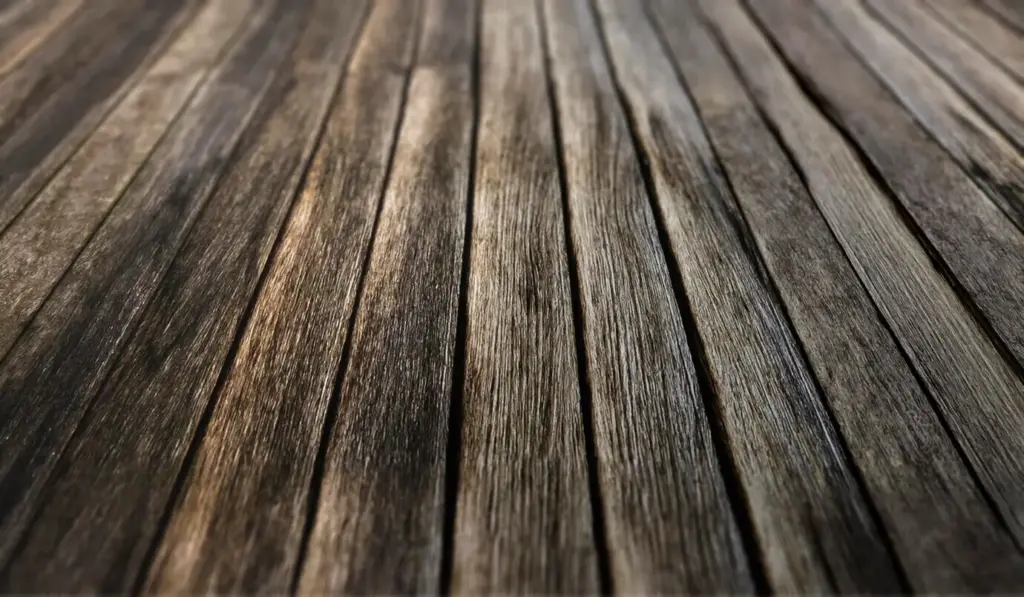
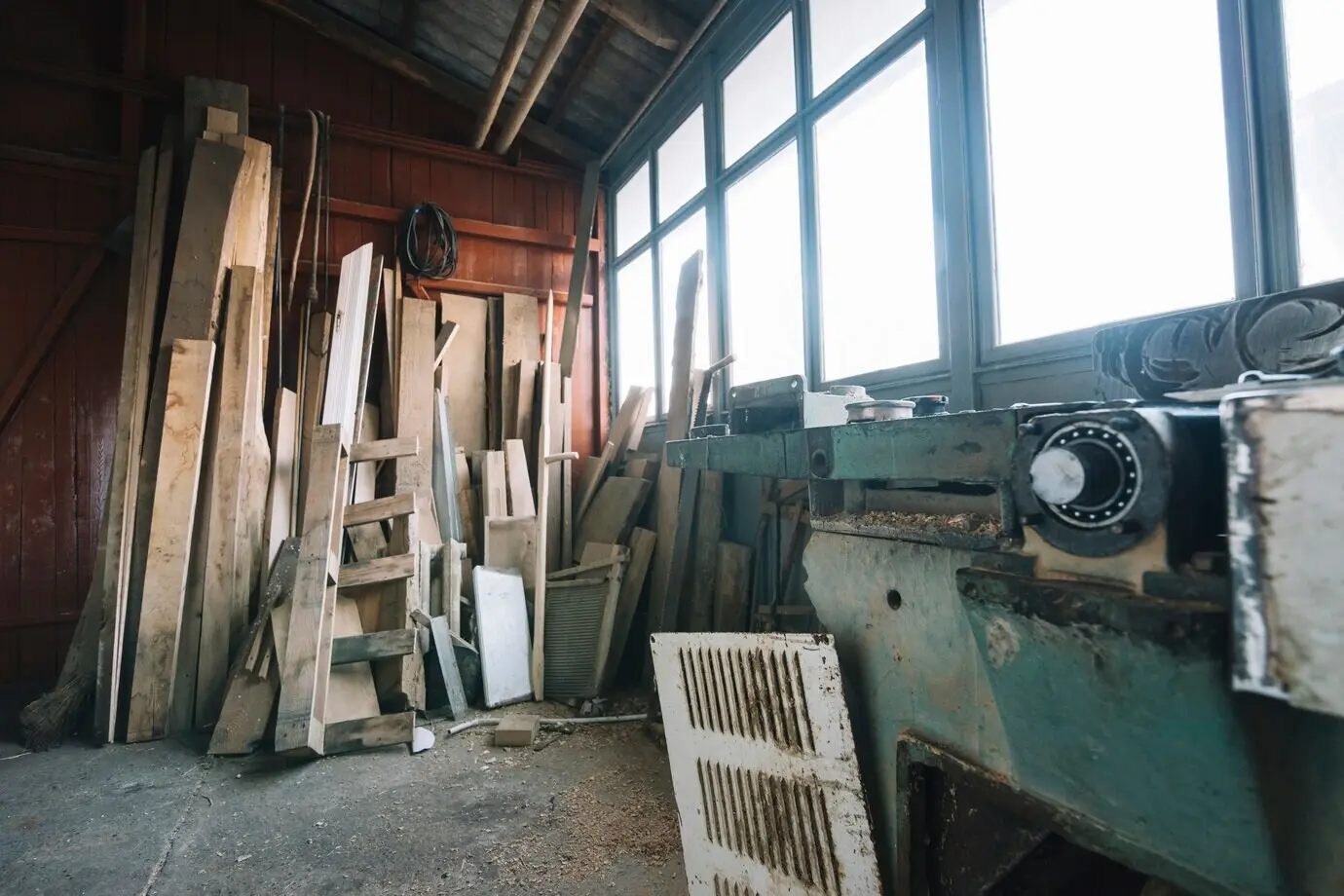
Reclaimed oak, teak, and chestnut offer density, patina, and historical charm impossible to fake, while FSC-certified new lumber ensures forests regenerate. Quarter-sawn cuts improve stability; engineered formats reduce waste. Thermal modification enhances durability without harsh chemistry; plant-based oils preserve grain definition and allow easy spot repair. Clients adore the quiet creak, refined texture, and subtle color shifts under daylight. Each board reads like a chapter, carrying characterful knots and tool marks that tell honest stories without sacrificing precision.
Stone, Ceramic, and Sintered Surfaces, Light on Carbon
Sintered slabs and porcelain with recycled content deliver marble-like drama with stain resistance and thin profiles, lowering transport emissions. Recycled-glass terrazzo reimagines offcuts as glittering fields, while lime and clay plasters provide breathable, repairable walls. Where natural stone is chosen, seek regional quarries, EPDs, and responsible extraction. Consider low-carbon cements and geopolymer mixes for terrazzo bases or polished concrete. Performance remains exceptional: thermal mass tempers indoor climates, smooth edges reflect light softly, and maintenance stays elegantly minimal.
Finishes that Breathe and Glow
Surface chemistry can make or break indoor comfort. Mineral-based paints, limewash, and silicate coatings breathe with masonry, managing humidity and resisting microbial growth. Hardwax oils for wood keep fibers supple and repair simple. Powder-coated metals avoid solvent-heavy processes, while PVD adds brilliant durability without traditional plating’s waste. By choosing finishes that cure cleanly, avoid excessive VOCs, and invite easy touch-ups, you safeguard the serene feeling of fresh spaces and protect craftsmanship from the abrasions of bustling, beautiful daily life.
Limewash and mineral silicate paints create depth through crystalline layers, subtly shifting in daylight and improving vapor permeability for masonry and plaster. Casein and clay paints lend velvety calm and low odor. These coatings often resist mold naturally and emit fewer problematic substances. Their matte elegance proves forgiving to minor imperfections and facilitates patch repair. When paired with careful substrate prep and considerate lighting, walls become luminous backdrops that regulate comfort, reduce echo, and celebrate texture without shouting for attention.
Hardwax oils and bio-based varnishes protect timber by penetrating fibers and forming breathable shields, allowing wood to move naturally with humidity. The result is tactile warmth, reparability, and fewer full-surface refinishes. UV-cured oils speed installation while minimizing emissions. Pigmented oils can tone species consistently across rooms, while clear options highlight figure and medullary rays. Maintenance involves gentle soaps and periodic refresh coats, extending life beautifully. Over years, the surface gains a mellow sheen that handily outlasts fast-fashion glossy films.
Recycled brass, aluminum, and steel reduce embodied energy while delivering jewel-like accents. Powder coating avoids solvent-heavy spray, offering durable color with precise sheen control. PVD finishes provide hard, lustrous layers resistant to tarnish, without the wastewater burdens of traditional plating. Where living finishes are desired, beeswax or microcrystalline waxes allow graceful patina development. Sourcing from foundries that reclaim scrap and document energy use adds credibility. The payoff: hardware and trims that gleam responsibly and age with sotto voce confidence.
Craft, Provenance, and Certification
Sustainable luxury depends on people as much as products. Knowing who harvested the fiber, milled the plank, spun the yarn, or cast the hinge adds integrity to every specification. Seek makers who share data and values: chain-of-custody records, EPDs, HPDs, GREENGUARD Gold, or Cradle to Cradle when relevant. Support workshops preserving cultural techniques while paying living wages. This diligence honors human skill, secures continuity of knowledge, and ensures every glimmering surface stands on a foundation of fairness and transparency.
Provenance turns materials into narratives clients proudly share. FSC chain-of-custody demonstrates responsible forestry; quarry reports clarify extraction impacts; batch numbers link textiles to mills with strong environmental controls. QR-enabled tags and digital product passports help designers verify claims quickly. When a dining table details its reclaimed source barn or a rug includes the artisan’s cooperative and dye recipes, connection deepens. Rooms feel more personal, and ethical decisions become visible, tangible luxuries instead of hidden footnotes buried in specifications.
Certifications support decisions but work best when paired with critical reading. EPDs quantify cradle-to-grave impacts; HPDs reveal ingredient health; GREENGUARD Gold suggests low emissions in occupied spaces; Cradle to Cradle highlights circular pathways. Consider region-relevant forestry marks like FSC or PEFC, and material-specific credentials for stone, textiles, or resilient floors. Ask for test reports, dates, and third-party audits. Used wisely, labels streamline comparison, confirm performance realities, and keep beauty aligned with measurable, verifiable progress rather than aspirational promises.
Performance, Wellness, and Maintenance
Beauty that supports well-being endures longer in memory and use. Select low-emitting materials for restful air, sound-absorbing textiles for quieter rooms, and thermal mass or natural fibers for stable comfort. Validate abrasion resistance, slip ratings, fire performance, and moisture tolerance to safeguard daily life. Then plan care routines emphasizing gentle cleansers, breathable sealers, and occasional refresh coats instead of harsh stripping. This approach protects finishes, honors craftspeople’s work, and ensures spaces remain welcoming, resilient, and deeply enjoyable through constant, gracious use.
Penthouse Renewal, Reclaimed at Heart
In a skyline residence, reclaimed oak herringbone anchors rooms finished with mineral paints and hardwax oil. A recycled-glass terrazzo kitchen island shimmers under sculptural lighting, while panels of FSC walnut fold around a concealed bar. PVD brass hardware maintains crisp edges without clouds of polish. The owner reports quieter echo, fresher air, and fewer seasonal gaps in flooring. Most gratifying is the conversation: guests consistently ask where the materials came from, turning cocktail hour into a celebration of craft and integrity.
Coastal Calm with Resilient Details
Ocean air demands clever chemistry. Clay plaster walls breathe through humidity swings, while sintered stone counters shrug off citrus and salt. Linen and wool soften sound; solution-dyed outdoor fabrics resist fading near balcony doors. Powder-coated aluminum frames protect language of fine lines without corrosion. A limewashed stairwell glows at sunset, guiding guests to a terrace paved with recycled terrazzo. Maintenance stays gentle: soap, water, and occasional oil refreshes. The home radiates tranquility, surviving sandy feet and sea breezes with grace.
Join the Conversation and Shape What Comes Next
Your perspective matters. Tell us which finishes you trust, which certifications you find credible, and where you still have questions. Request sample lists, sourcing notes, or maintenance checklists tailored to your project. Subscribe for material deep dives, side-by-side tests, and artisan interviews. Share photos of your finished spaces; we’ll feature standout ideas that blend polish with responsibility. Together, we refine a vocabulary of luxury that feels personal, resilient, and kind—to craft traditions, to clients, and to the places we inhabit.

All Rights Reserved.